Intellectual Property Rights
Intellectual property (IP) means creations of the mind, such as inventions, designs, written work, music, software and artwork. Intellectual property rights give creators legal protection over their original work. These rights are important in IT because many digital products and creative works can be copied or shared easily.
(Intellectual Property Office of New Zealand (IPONZ) )
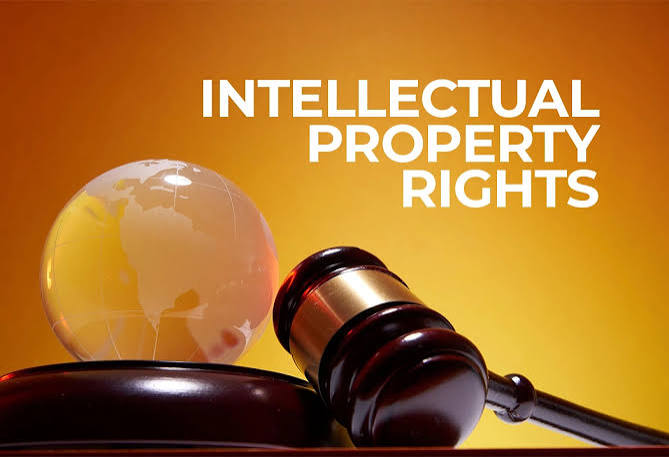
Copyright protects original creative works such as writing, music, photographs, videos, artwork, software and website content. It can prevent other people from copying or using someone’s work without permission. Copyright is especially important in IT because digital content can be copied and shared very quickly.
(New Zealand Legislation)

Digital technology makes it easy to copy, store and share Māori cultural information. When Māori knowledge, images, designs or language are used online, they should be handled carefully and respectfully. IT professionals should consider cultural values and seek appropriate guidance when using Māori intellectual property in digital projects.
(Intellectual Property Office of New Zealand (IPONZ) )
Reference List (APA style)
Intellectual Property Office of New Zealand. (n.d.). Intellectual property.
[https://www.iponz.govt.nz/about-ip/](https://www.iponz.govt.nz/about-ip/)
Intellectual Property Office of New Zealand. (n.d.). Māori and intellectual property.
[https://www.iponz.govt.nz/about-ip/maori-and-ip/](https://www.iponz.govt.nz/about-ip/maori-and-ip/)
(New Zealand Legislation. (1994). Copyright Act 1994. [https://www.legislation.govt.nz/act/public/1994/0143/latest/]
(https://www.legislation.govt.nz/act/public/1994/0143/latest/)